Key points
- South Australia’s operational demand fell to a record low of −263 MW on 25 December 2025. On 4 October 2025, rooftop solar met 61% of NEM demand in one half-hour.
- In Q4 2025, zero or negative prices hit record shares of 48% of intervals in South Australia and 43% in Victoria.
- NEM rooftop solar reached 26.4 GW across 3.9 million systems by June 2026. The generation that drives minimum demand sits on distribution networks.
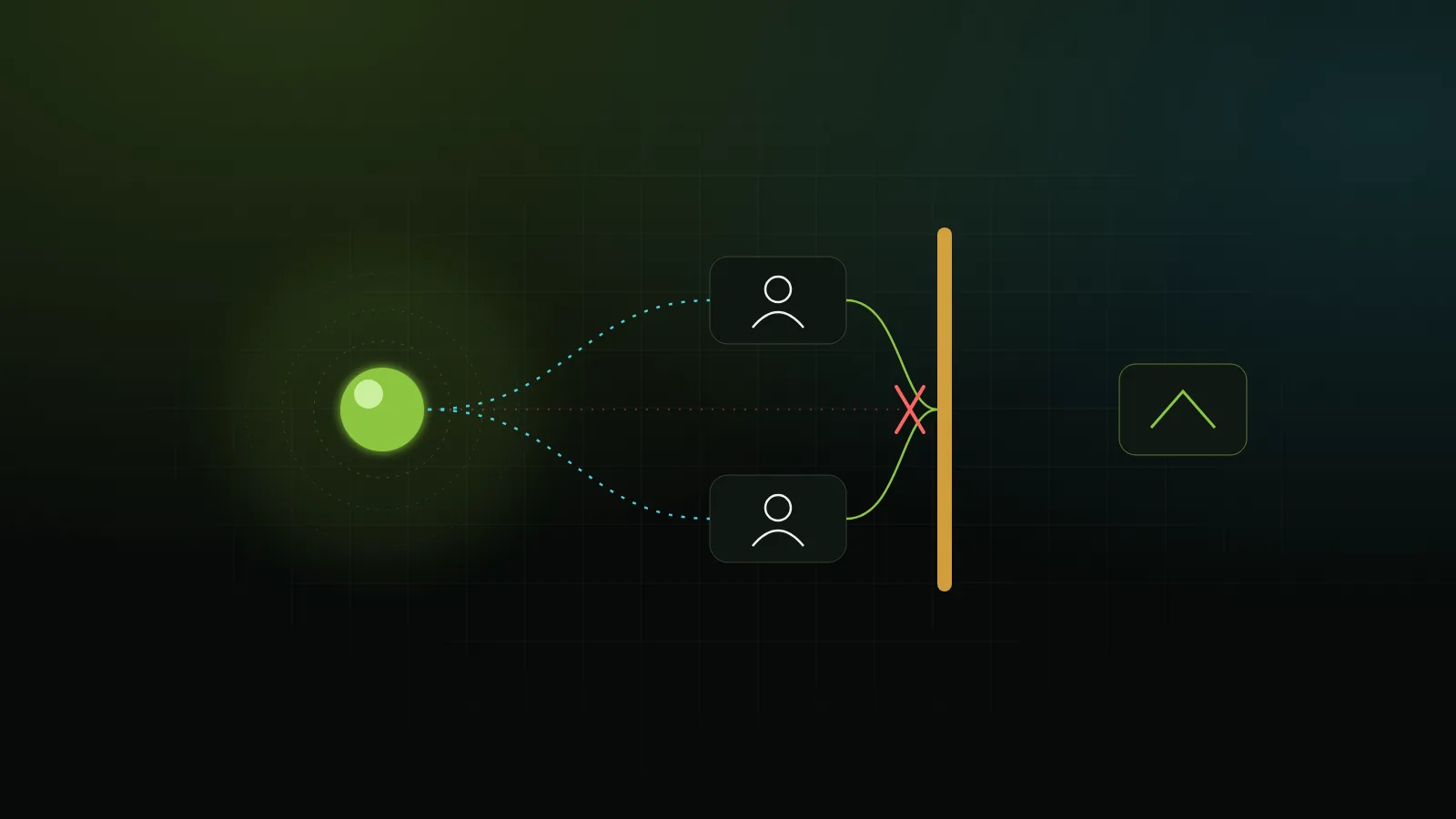
- CSIP-AUS gives networks a standard way to communicate with rooftop inverters and batteries. South Australia and Victoria already require it, and other states are following.
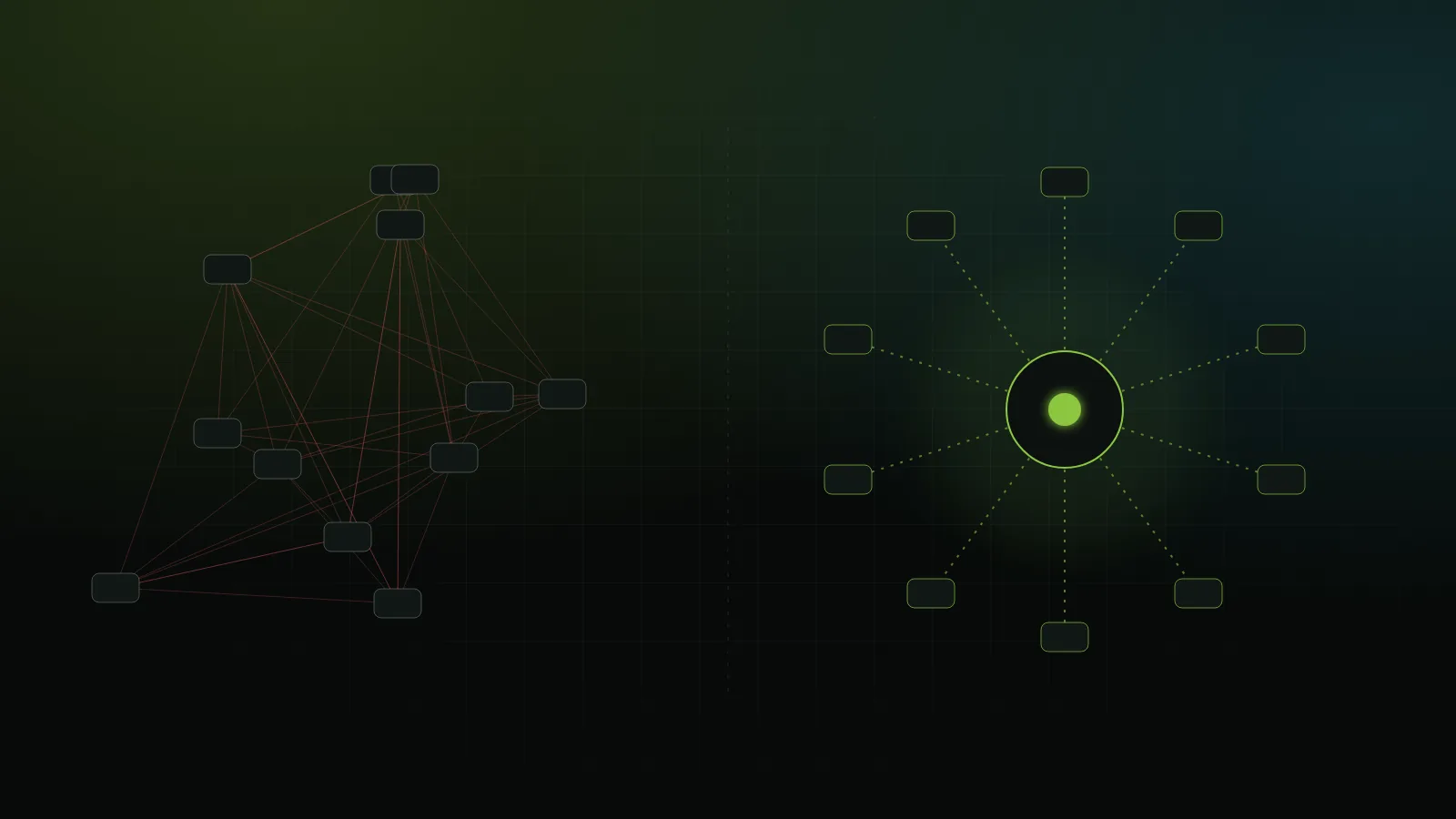
- Distribution operators need to see reverse flow and voltage, forecast net load, know hosting limits, and curtail in a controlled, recorded way.
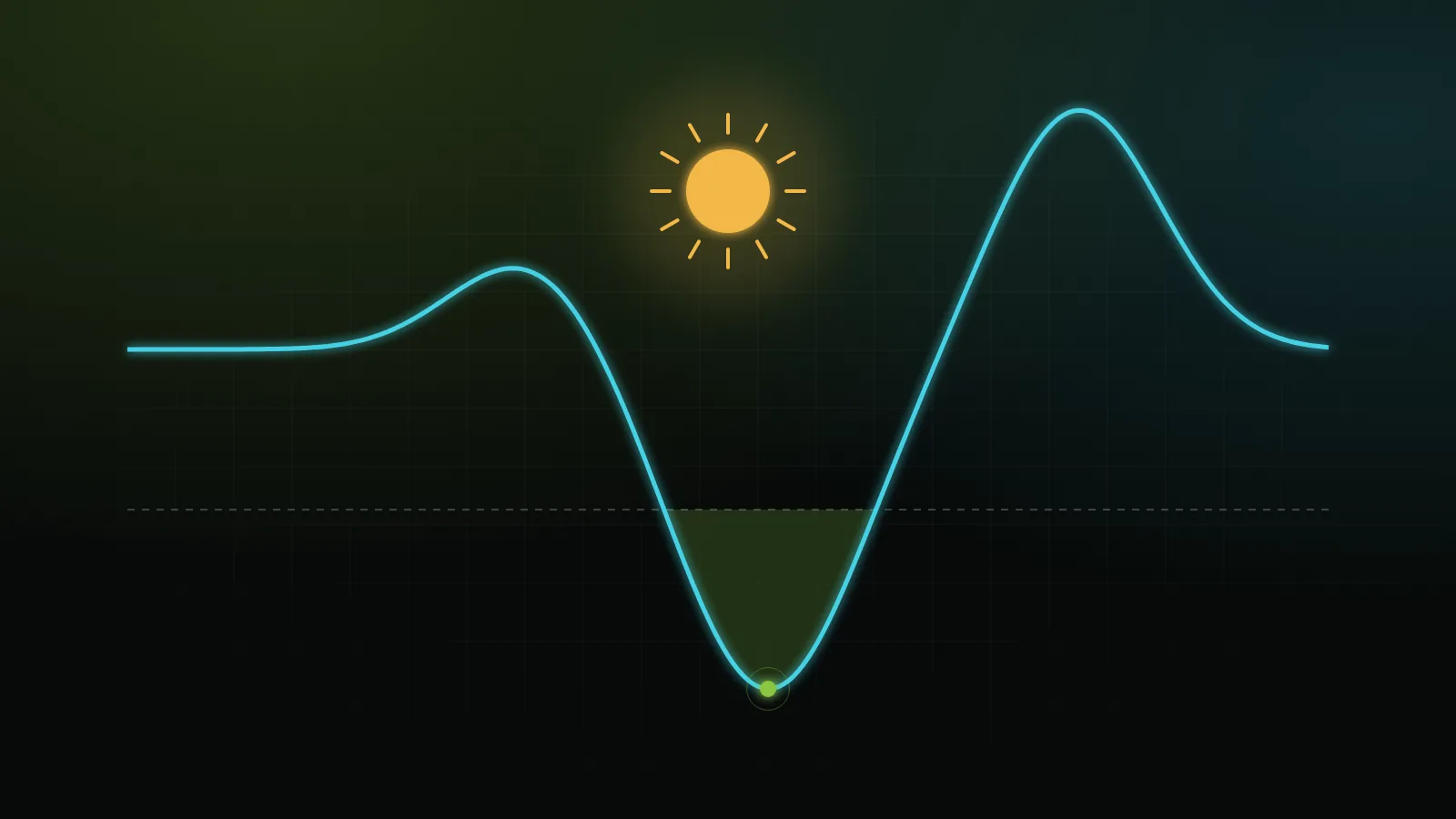
On 25 December 2025, operational demand in South Australia fell to −263 MW. Operational demand is, roughly, what customers use minus what rooftop solar and other small generators produce. A value below zero means those small generators were producing more than customers were using. In effect, the distribution network, built to deliver power, had become a net source of it.
South Australia was not alone. Victoria’s operational demand fell to 1,287 MW on 27 December. On 4 October 2025, NEM-wide operational demand reached a record low of 9,666 MW at midday, and rooftop solar met 61% of NEM demand in the half-hour to midday. In the same quarter, AEMO issued directions to manage minimum system load in South Australia.
Minimum demand is now a distribution problem as much as a system one. This article looks at the numbers, the rules that are changing, and what distribution operators need to see and control.
What the records show
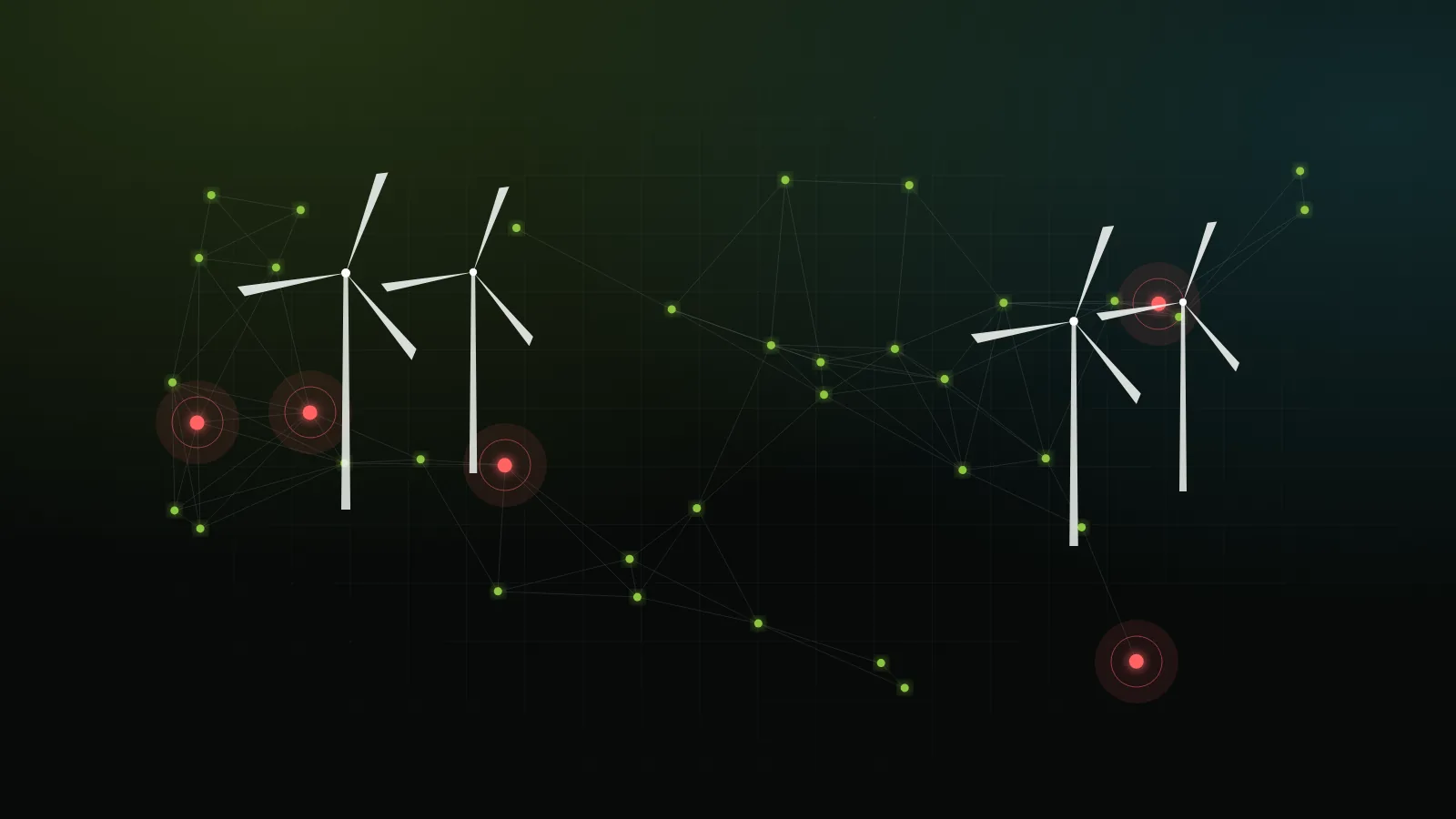
Low demand came with other signs of surplus. In Q4 2025, zero or negative prices hit record shares of 48% of intervals in South Australia and 43% in Victoria. Grid-scale plant turned down. Economic offloading, where plant reduces output because prices are low, reached 15% of wind and 18% of grid-solar availability. Network curtailment of grid solar averaged a record 213 MW. Renewables, including storage, supplied 51.0% of NEM energy in the quarter, the first quarter above half.
The surplus is not limited to spring and summer. In Q2 2026, which covers autumn and early winter, 11.7% of NEM intervals still had zero or negative prices.
Grid-scale wind and solar farms are dispatched through the market, so they can respond to these prices. Most rooftop systems are not, and their output rises and falls with the sun. That is why minimum demand has become a question for distribution networks.
The surplus sits on distribution networks
NEM rooftop solar reached 26.4 GW across 3.9 million systems by June 2026, and 36% of suitable NEM dwellings now have it.
Home batteries are growing too. About 600,000 households have one, and the Cheaper Home Batteries Program added 389,137 batteries (11,321 MWh) in the NEM between 1 July 2025 and 30 June 2026. Batteries can absorb midday solar, but only if they have room to charge and are set to charge at that time. A network cannot rely on that without data.
Distribution networks were mostly planned for power to flow one way, from the substation to the customer. When local generation exceeds local load, power flows back through transformers and feeders, and voltage rises along the feeder. Customers at the far end may see voltage above limits, which can cause their inverters to reduce output or disconnect.
The rules are changing
CSIP-AUS is Australia’s IEEE 2030.5-based profile for communicating with rooftop inverters and batteries. Its working group has over 100 members, including all Australian distribution network service providers (DNSPs) and all major inverter makers.
South Australia has required CSIP-AUS since July 2023. Victoria has required it for the emergency backstop on new systems since October 2024. Western Australia announced its use from 2025, including for emergency backstop measures and export limits. New South Wales announced it would require it for its emergency backstop from June 2026. CSIP-AUS lists version 1.2 as the mandated version in many jurisdictions from mid-2026.
The emergency backstop is a last-resort way to reduce rooftop solar output when minimum demand threatens system security. The aim should be to manage reverse flow day to day, so that it is rarely needed.
Security rules are changing as well. Consumer smart devices made from 4 March 2026, including consumer energy resources, must have no universal default passwords, a way to report vulnerabilities and a stated security-update period. Devices made before that date are not covered. For the organisations that manage these devices, the AESCSF, the energy sector’s cyber maturity framework led by AEMO, covers distributed and consumer energy resources, and AEMO publishes guidance for those organisations. A path that can change the output of many inverters at once needs strong security at both ends.
What distribution operators need to see and control
Seeing reverse flow and voltage
Operators need to see where and when power flows backwards: at zone substations, on feeders and at distribution transformers. They also need to see how far voltage rises at the ends of low-voltage circuits. Where direct measurement is thin, estimates from network models, meter data and inverter data can fill the gaps, provided each value is flagged as measured or estimated.
Forecasts of net load, not only load
Minimum demand depends on what customers use minus what their solar produces. Operators need forecasts of that net figure for each zone substation and critical feeder, a day ahead and within the day, shown as a range rather than a single number. The forecast should also show how much home battery capacity is likely to be charging at midday.
Hosting-capacity limits that stay current
Each feeder can take only so much export before voltage or thermal limits are reached. That limit changes with load, season and network configuration. Operators need it calculated and kept current, so that export limits sent to devices reflect real headroom rather than a fixed worst case.
Controlled curtailment, with a record
When output must be cut, it should be cut in the right place, by the smallest amount needed, and fairly across customers. Every instruction should leave a record: what was curtailed, by how much, for how long, on whose authority and why. That record supports customer enquiries, regulatory reporting and the review after each event. And because one command may reach thousands of devices, the right to issue it needs strict control.
How we approach this
Ozari Grid is control-room software built for DER-heavy distribution networks.
- It shows two-way power flow on feeders with distributed generation, and produces statistical load and DER forecasts.
- Its DER optimiser can hold a feeder’s reverse flow under a set limit, and trim DER output to correct over-voltage with as little curtailment as possible.
- Curtailment goes through the same command gate as any other control. Operator commands need approval from two different people, and every command is written to a tamper-evident audit log.
- Automatic mode stays off until an administrator arms it. Once armed, it acts within set limits without per-action approval, but never bypasses interlocks or the audit log.
A read-only shadow pilot on your own network data is the way to start.
Sources
- AEMO, Quarterly Energy Dynamics Q4 2025 (PDF), January 2026.
- AEMO, Quarterly Energy Dynamics Q2 2026 (PDF), July 2026.
- AEMO, 2026 Integrated System Plan (PDF), June 2026.
- CSIP-AUS, About CSIP-AUS, accessed September 2026.
- Department of Home Affairs, Security standards for smart devices: fact sheet (PDF), March 2026.
- AEMO, Australian Energy Sector Cyber Security Framework (AESCSF): Overview (PDF), June 2025.
- AEMO, AESCSF Distributed & Consumer Energy Resources Guidance Material (PDF), May 2025.