Key points
- 75.4 GW of new capacity is in the NEM connection process. Signing a connection agreement now takes 8 months on average, up from 2 months in FY22.
- The median time in the build stage rose from 14 to 18 months in a year. In FY26, 14.4 GW entered it and only 6.4 GW left.
- Plant models are checked against performance standards at registration and against test results at commissioning.
- Callide Power Trading was ordered to pay $9 million for not meeting performance standards, which are an AER priority for 2026–27.
- Early models, clean control and SCADA design, tested commissioning and good records save the time of scarce engineers.
AEMO’s Quarterly Energy Dynamics for Q2 2026 shows 75.4 GW of new capacity in the National Electricity Market (NEM) connection process. Batteries make up 53%, solar and solar hybrids 27%, and wind 15%. A record 6.9 GW of applications was approved in the quarter, including 3.6 GW of batteries and 1.8 GW of solar-plus-battery hybrids.
The same report shows the process slowing. Signing a connection agreement now takes 8 months on average, up from 2 months in FY22. The median time in the developer-led build stage rose from 14 to 18 months in a year, and nearly one-third of projects in that stage have waited more than two years.
Some causes are commercial or regulatory. But much of the work between application and operation is engineering: models, performance standards, control design and testing. That work is under the project team’s control, and how well it is done affects how long the project waits.
Where projects wait
The build stage is where capacity accumulates. In FY26, 14.4 GW moved from application into the build stage, but only 6.4 GW left it. After build, plant models are checked against the agreed performance standards at registration, and against test results at commissioning. A model that does not match the plant, or a test result that does not match the model, means more work before the project can move on.
Design changes add to the delay. AEMO names changes such as adding batteries to solar as one cause. Each change can mean new models, new studies and a new check against the performance standards.
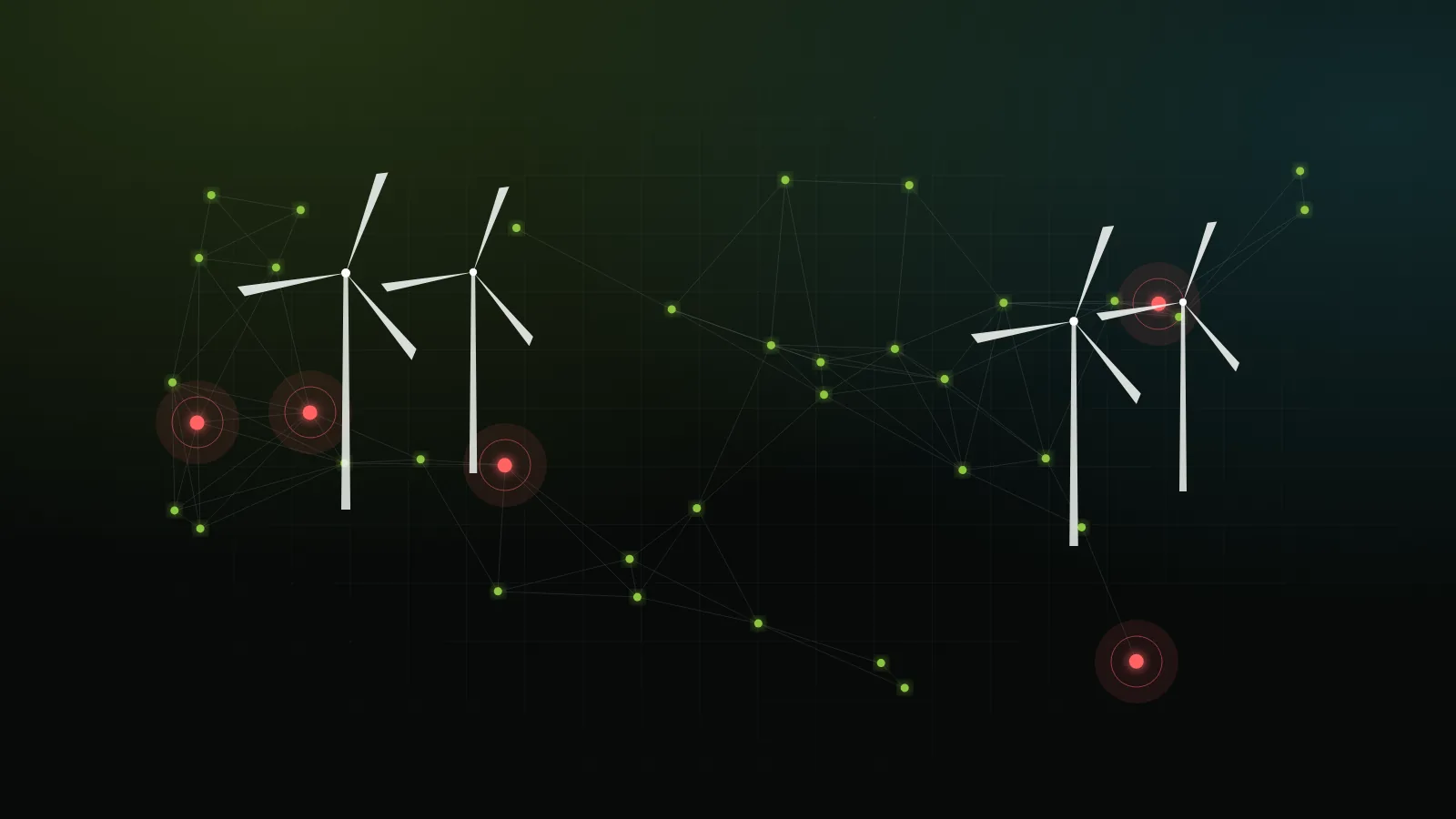
The problem is not only Australian. The International Energy Agency (IEA) reports that over 2,500 GW of renewable, large-load and storage projects are stalled in grid queues worldwide. Grids take 5–15 years to build, while renewables take 1–5 years.
What the rules check
To register, a generator must satisfy AEMO that its plant can meet or exceed its agreed performance standards. Those standards are set against the technical requirements in Schedule 5.2.5 of the National Electricity Rules (NER). The plant model is key evidence at registration, and commissioning tests must then confirm it.
The obligation does not end at registration. In February 2025, Callide Power Trading was ordered to pay $9 million, the highest penalty yet for not meeting performance standards under the NER. The Australian Energy Regulator (AER) lists generator performance standards among its 2026–27 compliance priorities, along with accurate, timely availability information in bids and rebids. A plant must keep showing that it performs as agreed, and that what it tells the market is correct.
What good engineering practice looks like
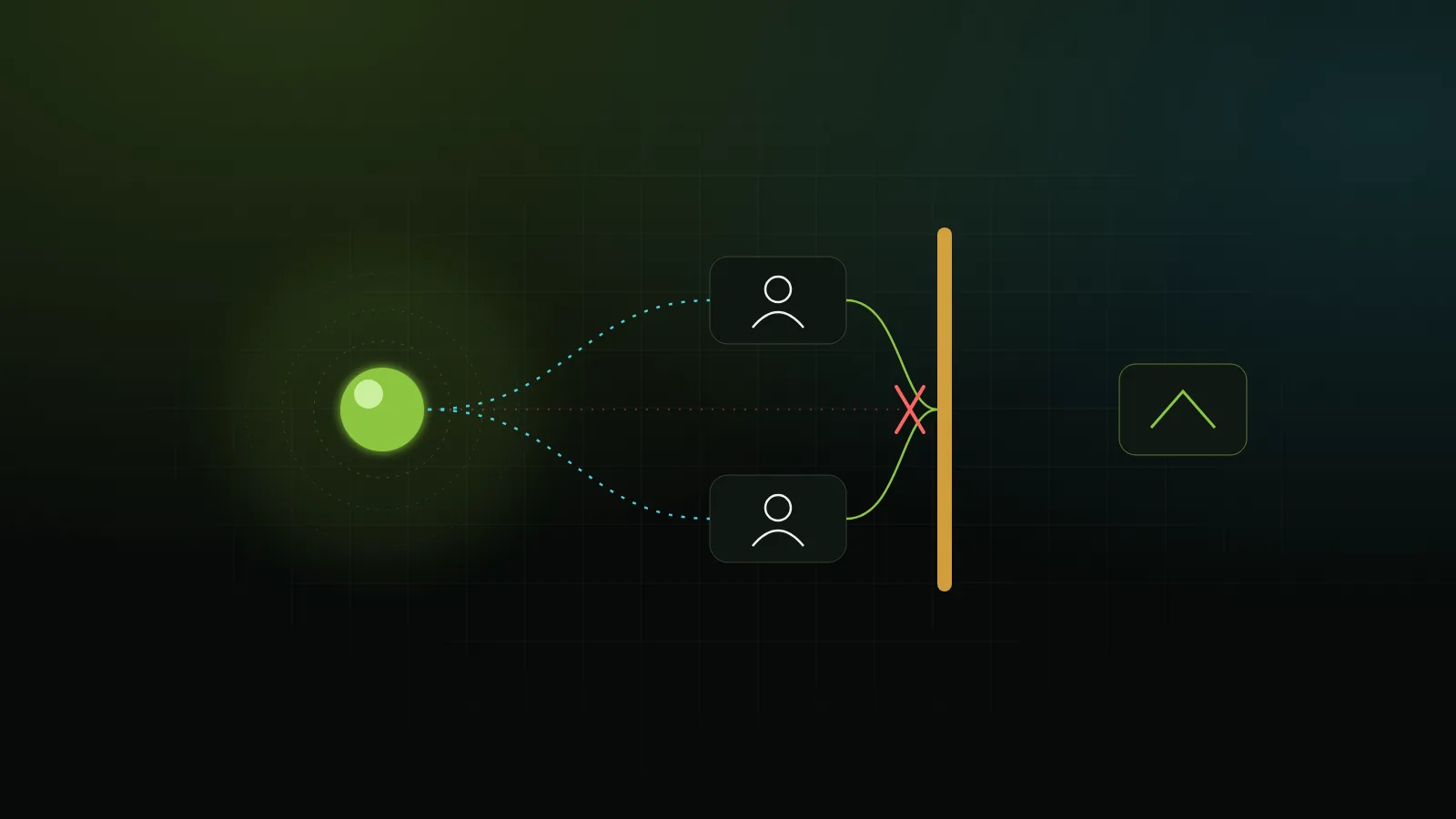
Early and accurate models
Build the plant model early, from the equipment that will be installed: real inverter and controller settings and firmware versions, not generic values. Agree the scope of the model, and how it will be accepted, with the parties who will review it, before detailed studies start. Keep one controlled version of the model. When the design changes, for example when a battery is added to a solar farm, update the model and re-run the checks against the performance standards before the change goes to AEMO.
Clean control-system and SCADA design
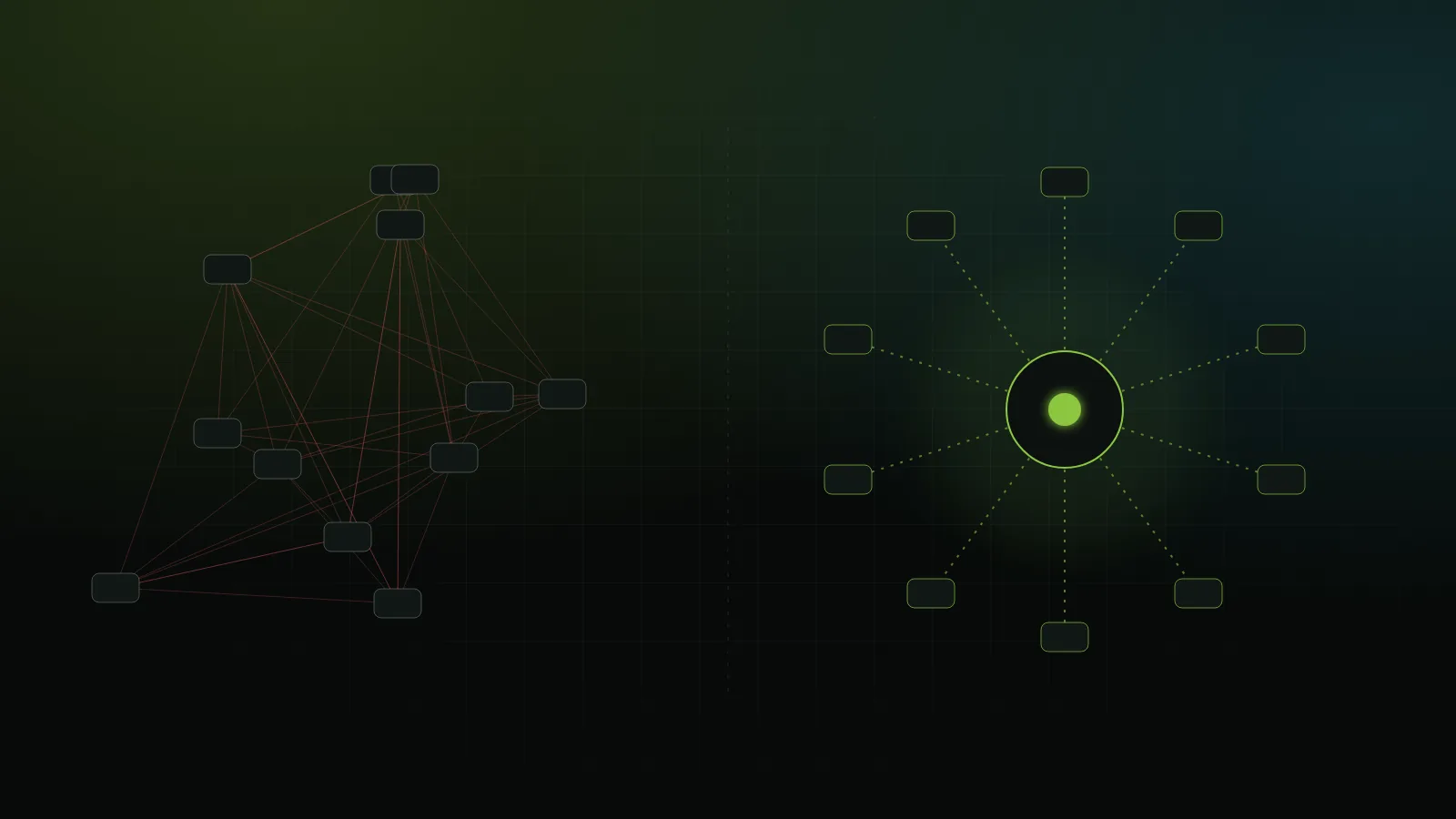
Give each setpoint one owner and one path, from the market and network interfaces, through the plant controller, to the inverters and batteries. Use open protocols, one naming convention and a single documented points list. Record a time stamp and a quality flag with every value. Design network zones and remote access at the same stage, in line with ISA/IEC 62443, instead of adding them after commissioning. A clear design is easier to model, test and prove.
Tested commissioning: FAT and SAT
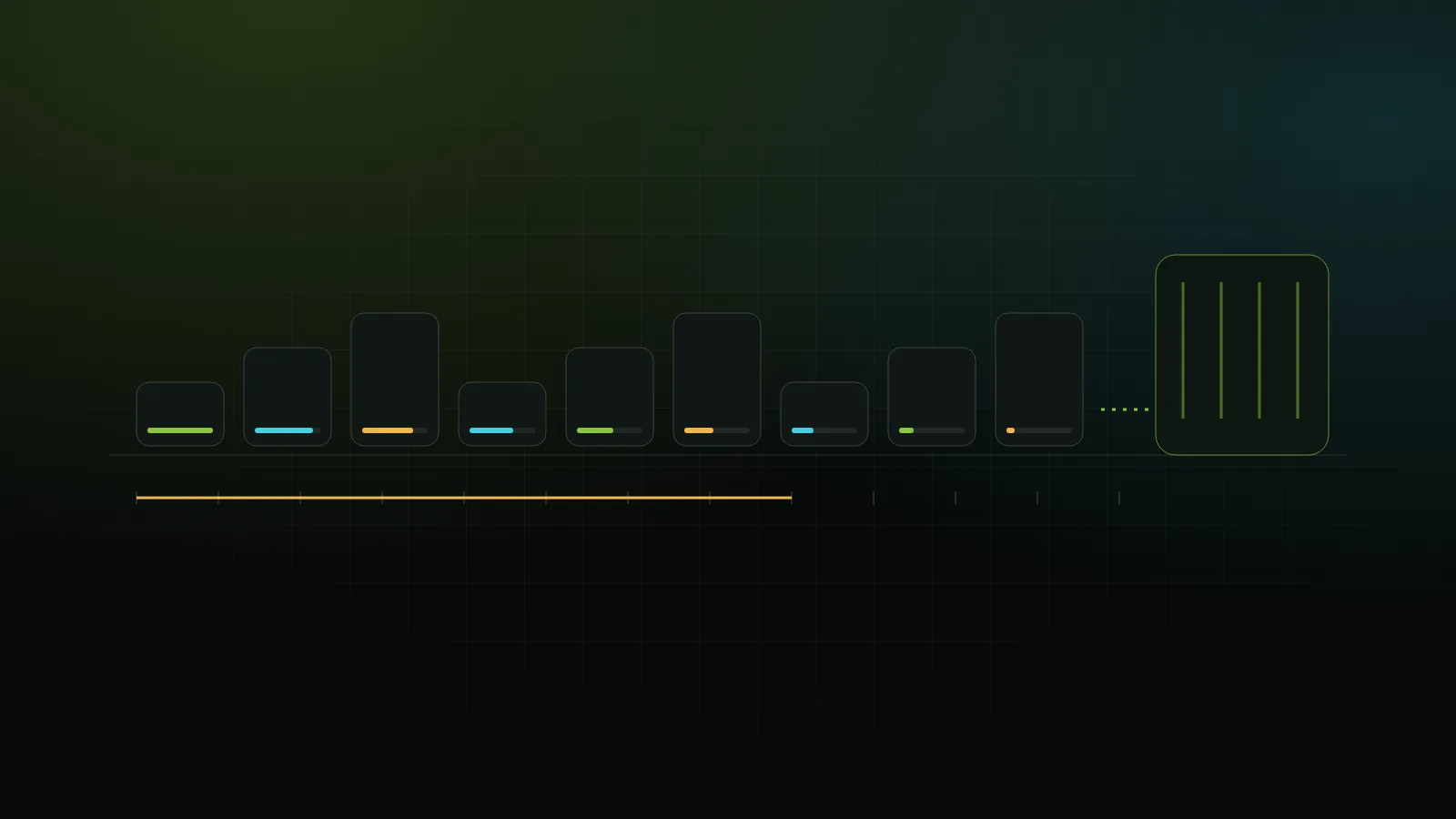
A factory acceptance test (FAT) checks the control system and SCADA against the design before shipping, using simulated plant signals. A site acceptance test (SAT) repeats the key checks on the installed plant. Test failure cases, such as loss of communications and controller restarts, as well as normal operation. Write both test plans against the performance standards, so that each test produces the evidence needed at registration and commissioning. Faults found in the factory are faster to fix than faults found on site.
Data and compliance evidence from the start
Treat evidence as a deliverable. From the first design review, keep a record of model versions, settings, firmware, test results and changes. Map each clause of the performance standards to the model result or test record that shows it is met. Once the plant is energised, keep high-resolution operating data. When AEMO asks whether the plant meets its performance standards, or the AER reviews availability information, the answer should come from records.
Skilled people are scarce
Good practice also saves the time of skilled people, who are in short supply. AEMO’s 2026 Integrated System Plan (ISP) forecasts that skilled workers directly employed to build and maintain NEM energy infrastructure will rise from about 36,000 in 2025 to over 57,000 by 2050, a challenge for engineering, procurement and construction (EPC) firms. Its Constrained Delivery case assumes 30% higher project costs, partly from competition for skills and equipment. In that case, the 2030 targets are not met on time.
Jobs and Skills Australia named 38 occupations critical to clean energy, estimated that about 32,000 more electricians are needed by 2030, and found training and migration too small to meet the need. Engineers Australia reports more than 15 engineering occupations in national shortage, including electrical engineering, and calls for at least 60,000 more engineering graduates.
With engineers this scarce, every rebuilt model and repeated test takes time from another project in the queue.
How we approach this
In our engineering work we use the commissioning method we document for Ozari’s own control software:
- Factory acceptance testing before anything reaches site.
- Site acceptance testing on the installed equipment.
- A shadow run beside any existing system, then a supervised, staged cutover.
We record the results of each step, so the evidence exists when it is needed. The way to start is a technical deep-dive or a read-only shadow pilot.
Sources
- AEMO, Quarterly Energy Dynamics Q2 2026 (PDF), July 2026.
- IEA, Electricity 2026: Grids, 6 February 2026.
- AEMO, Clarification of Generator Technical Performance Requirements (S5.2.5) (PDF), 2018.
- AER, Callide Power Trading penalised $9 million for not meeting performance standards, 4 February 2025.
- AER, AER releases 2026–27 compliance and enforcement priorities.
- ISA, ISA/IEC 62443 series of standards.
- AEMO, 2026 Integrated System Plan (PDF), June 2026.
- Jobs and Skills Australia, The Clean Energy Generation (PDF), October 2023.
- Engineers Australia, Nation’s future workforce under strain as key engineering shortages persist, 20 November 2025.